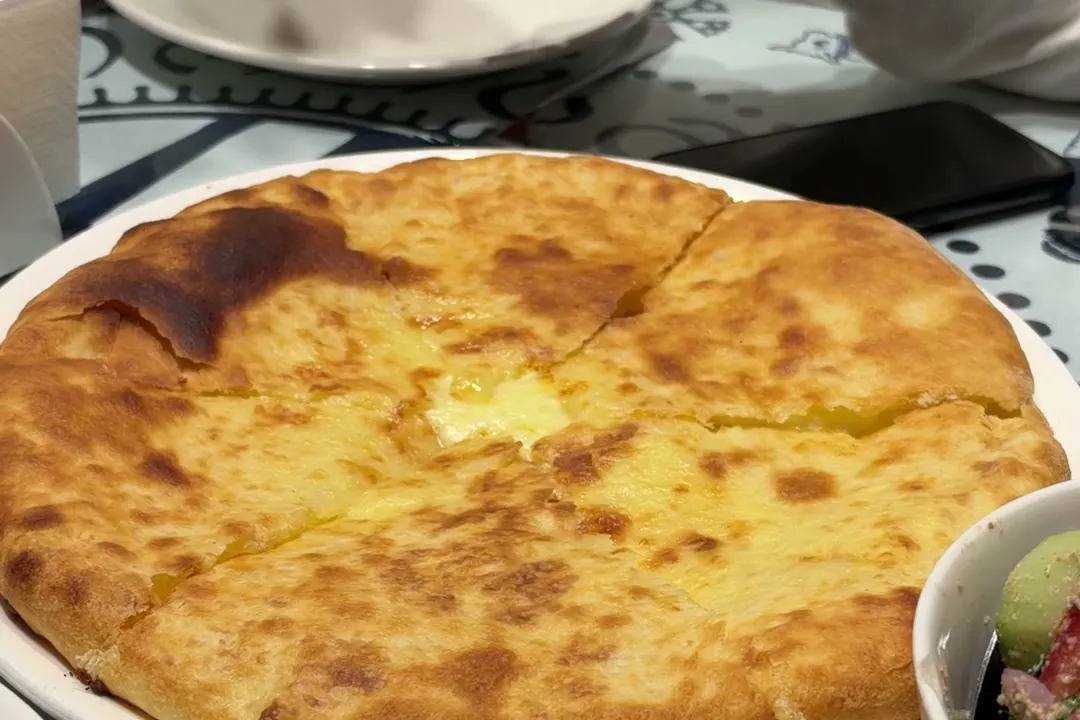
Georgia has two cheeses you will meet almost everywhere: sulguni and imeruli. Both are protected by name, both are gently salty, and both end up in khachapuri, the cheese bread. We chose one of our wines with exactly this kind of cheese in mind.
Sulguni
Sulguni is a stretched-curd cheese, made the same way as mozzarella: the curd is heated and pulled until it is elastic. Its protected specification, registered in Georgia in 2012 and recognised in the UK, describes it as dense and elastic, made in layers, with a clean, milky taste and moderate salt. It is made from cow's, buffalo's or goat's milk and kept in brine, and sold fresh, dried, aged or smoked. It comes originally from Samegrelo and Svaneti, in the west of Georgia.
Imeruli
Imeruli is the everyday cheese of Imereti, also in the west. It is a fresh, white, rindless round, a little soft and springy, mild and lightly salted, and kept in brine. It has been protected since 2012 as well.
Khachapuri
Khachapuri is bread baked with cheese, and in 2019 Georgia added it to its national list of intangible cultural heritage. There are dozens of regional kinds. The three you are most likely to meet:
- Imeretian: a round, closed bread filled with imeruli cheese;
- Megrelian: the same, with more cheese, sulguni, melted over the top;
- Adjarian: an open boat of dough filled with cheese, with an egg cracked into the middle and a pat of butter added at the table.
What to pour with them
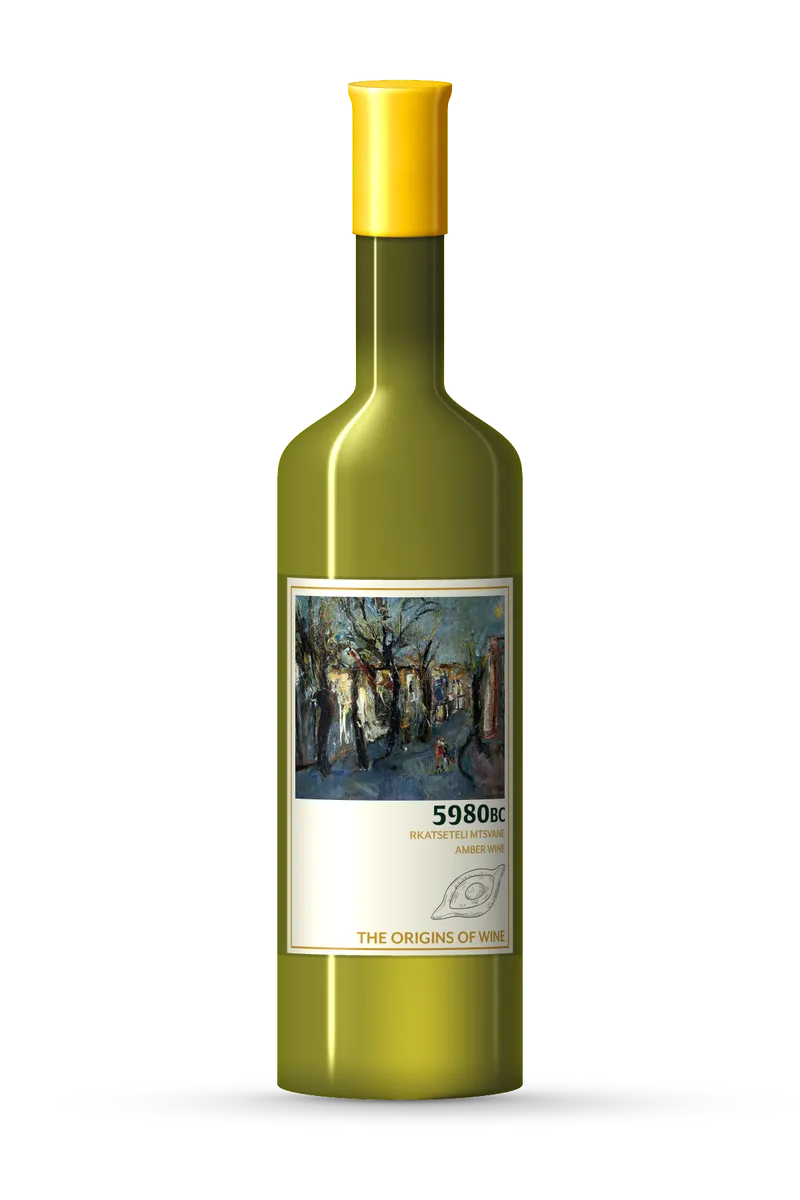
Our Rkatsiteli Mtsvane is ideal with cheese: khachapuri, sulguni, imeruli or a cheeseboard. It is an amber wine, made from white grapes fermented with their skins, in qvevri, the clay jars Georgians bury in the ground (also spelt kvevri). We think that is why it works. A milky, salty cheese wants acidity to cut through it, and the tannin from the skins, the slightly drying grip you get from red wine or strong tea, gives the wine enough body for a slab of hot cheese bread, where a light white would disappear.
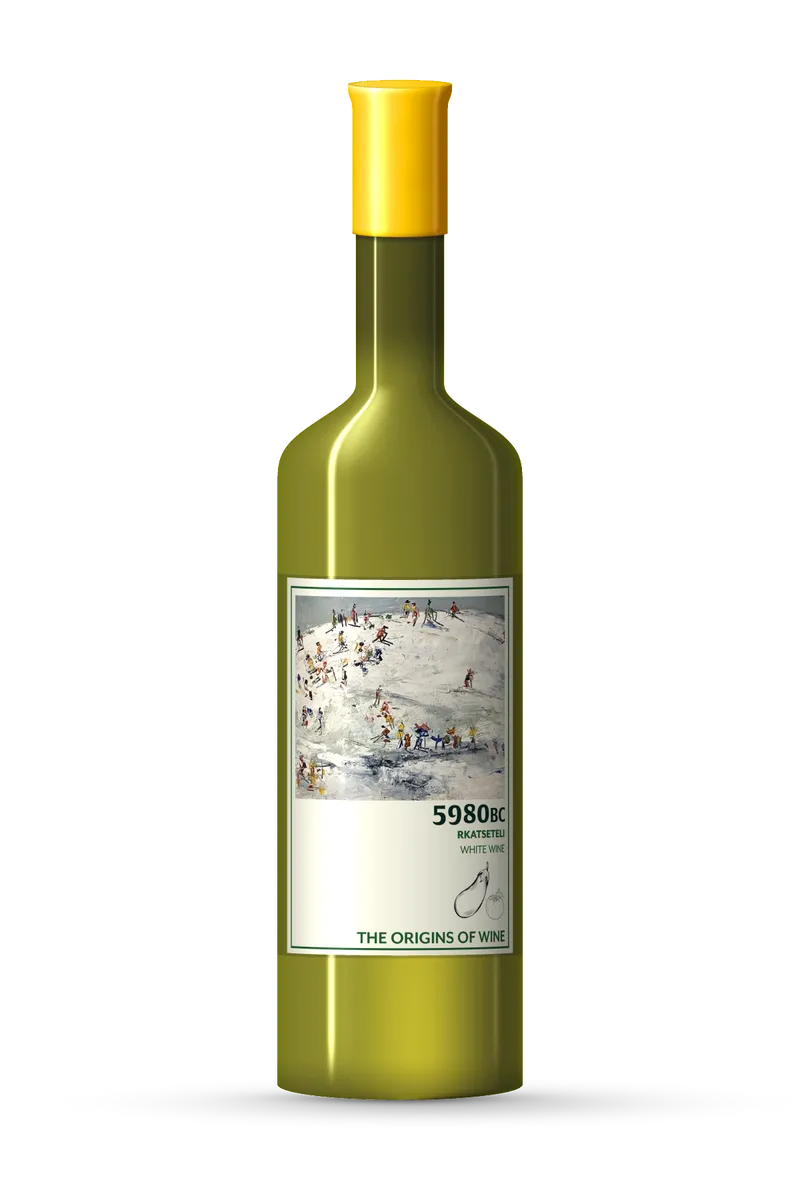
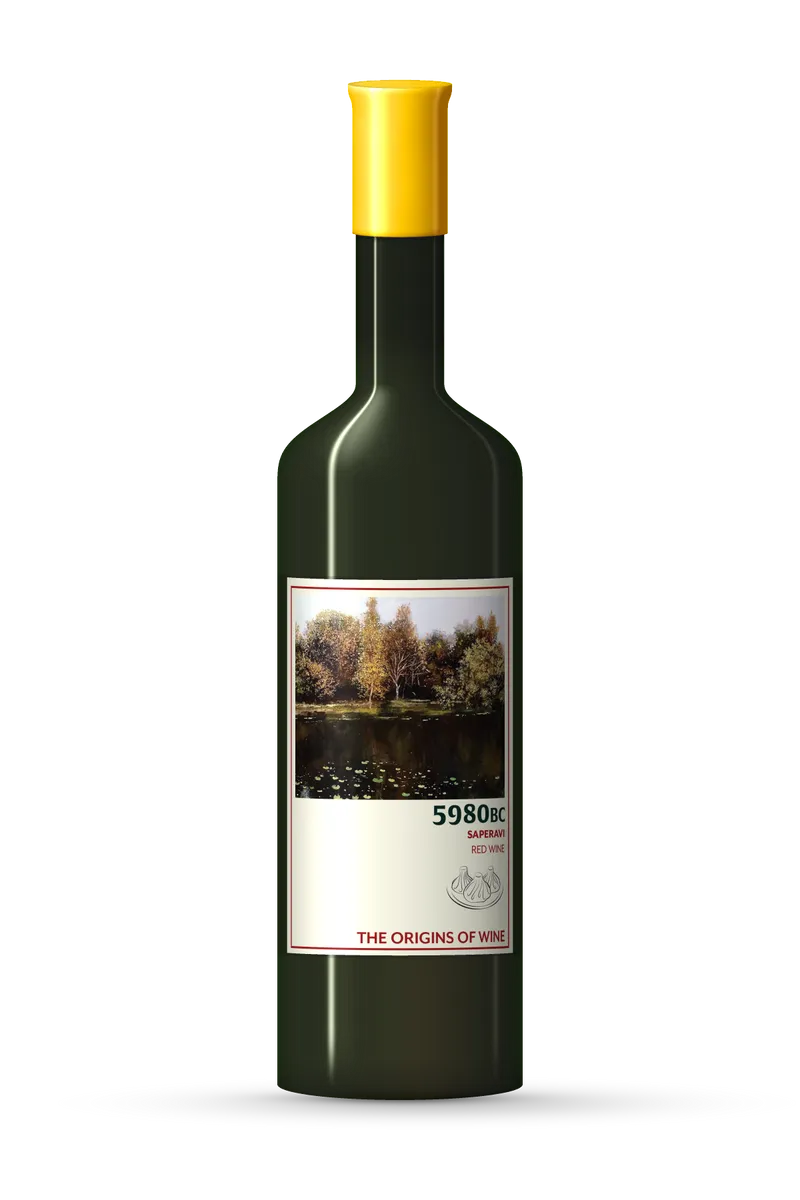
The other two have their own pairings. Our Rkatsiteli is ideal with vegetables and nuts, and our Saperavi with meat. These are suggestions, not rules: start with what you're eating.
With British cheese
Sulguni and imeruli are hard to find in Britain outside specialist shops. These are our own suggestions for the Rkatsiteli Mtsvane, not a Georgian tradition:
- Caerphilly: crumbly, mild and lightly salty, the closest in spirit to imeruli;
- Wensleydale: fresh, milky and a little sharp;
- Young Lancashire: soft and creamy, good melted on toast;
- Buffalo mozzarella: stretched curd like sulguni, for a homemade khachapuri;
- A mild goat's cheese: the wine's acidity matches its tang.
Quick answers
Can I use mozzarella instead of sulguni?
For cooking, it is the nearest thing in most British shops, since both are stretched-curd cheeses. It won't taste the same, but it melts and stretches the same way.
What wine goes with khachapuri?
We would pour an amber. Our Rkatsiteli Mtsvane is ideal with cheese, and khachapuri is about as much cheese as a bread can hold.
We first tasted our wines in Tbilisi, with the family who make them. More on the style in What is orange wine?
Sources
- Sulguni: product specification. Geographical indication of Georgia No. 10, 24 January 2012, published by the UK government.
- Imeruli Kveli: product specification. Geographical indication of Georgia No. 15, 24 January 2012, published by the UK government.
- Khachapuri granted status of intangible cultural heritage. Agenda.ge, 24 January 2019.
- Get a taste of khachapuri. Georgian National Tourism Administration: the Imeretian, Megrelian and Adjarian kinds.