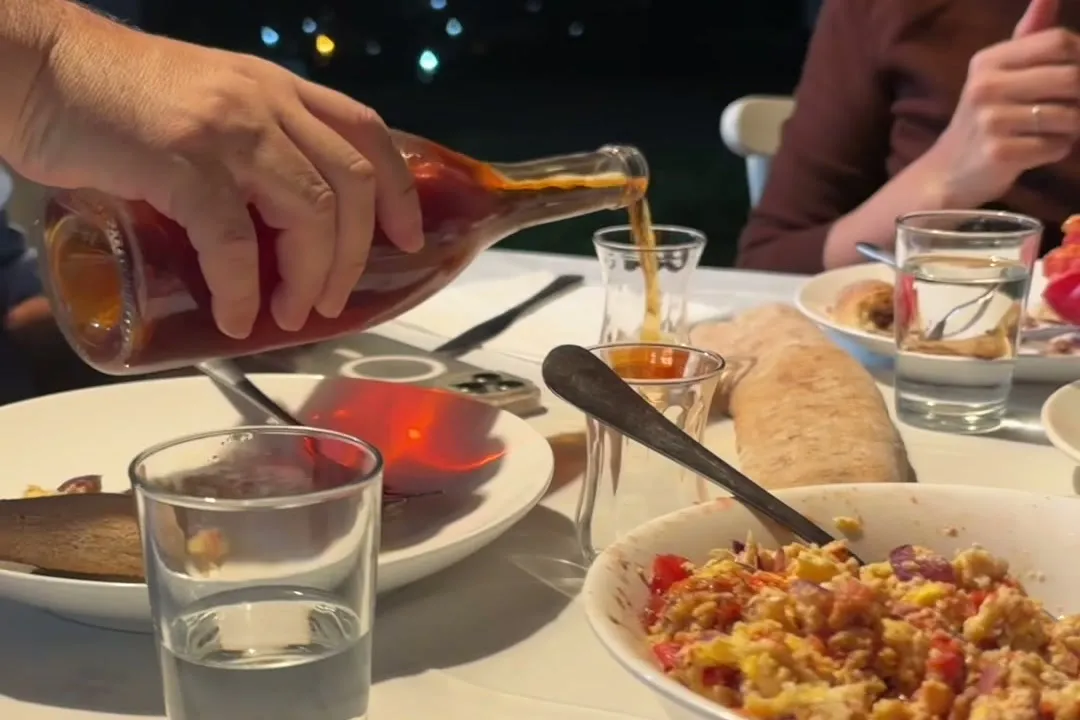
A supra is a Georgian feast. The word literally means tablecloth, and it covers a wedding as well as the meal after a funeral. The shape stays the same: a long table, a lot of food, wine, and a run of toasts that sets the pace of the evening. Most last an evening. Some go on for days.
The tamada
Every supra has a tamada (say ta-MAH-da), the toastmaster. The guests elect him or the host chooses him, and it is an honour. Georgia's tourist board says the job goes to the most eloquent and respected person at the table. One study of the supra found it is usually a man, and often the oldest one there.
A good tamada has to judge the pace. The same study, quoting a Georgian host, says he should not toast so often that the guests drink more than they want, since a supra can last hours, nor so rarely that the table goes flat, because keeping the company entertained is his duty. He is also expected to drink a great deal without showing it. In pictures he is often holding a kantsi, a drinking horn.
How the toasts work
The tamada names a subject and speaks on it, briefly or at length. Everyone raises their glass but nobody drinks yet. Then the toast goes round the table, usually to the right, and each person who speaks adds their own words and drains their glass. Eating during a toast is fine. Talking over it is not.
The word you will hear most is gaumarjos, "cheers", from the Georgian for victory. If someone says bolomde, "to the end", they mean drain the glass.
Georgia's tourist board calls a toast "a part of the genre of praise and plea, almost a prayer", and says some toasts are obligatory. The usual subjects are God, Georgia, family, the Mother of God and the saints, friends and ancestors. Towards the end comes the toast to all the saints, kvelatsminda, and then the guests toast the tamada.
Alaverdi
Alaverdi means passing the toast on. A guest takes up the tamada's subject and adds a short speech of their own. At some supras one guest does this for every toast, as the tamada's helper, and the table waits for him to speak and drink before drinking itself. The tamada can appoint someone to it partway through, or call on different guests as the evening goes.
The merikipe
The second helper is the merikipe, who fills the glasses. It sounds like the junior job, but by Georgian custom a guest should never pour wine, neither for himself nor for anyone else. So someone has to keep every glass full for every toast, all evening. When there is no merikipe, the tamada does it himself. Not every supra has helpers; the tamada is the one who is always there.
Holding your own supra
You don't need a Georgian family to try it. Pick a tamada, ideally someone who likes talking. Put someone in charge of keeping the glasses full, and don't let anyone pour their own. Toast before you drink, and let each toast go round the table. Start with the people who made the food.
In Tbilisi the end of the harvest gets a festival of its own, Tbilisoba, with wine and grilled meat in the streets of the old town. The singers Ghimilis Bichebi introduced us to the supra and sang for us around the table, before we saw them on a Tbilisoba stage in 2026.
Georgia added the supra to its national list of intangible cultural heritage in 2017. It is hospitality at the table, the same welcome that the Mother of Georgia offers over Tbilisi with a bowl of wine in her hand; we wrote about her in Where was wine invented?
What to pour
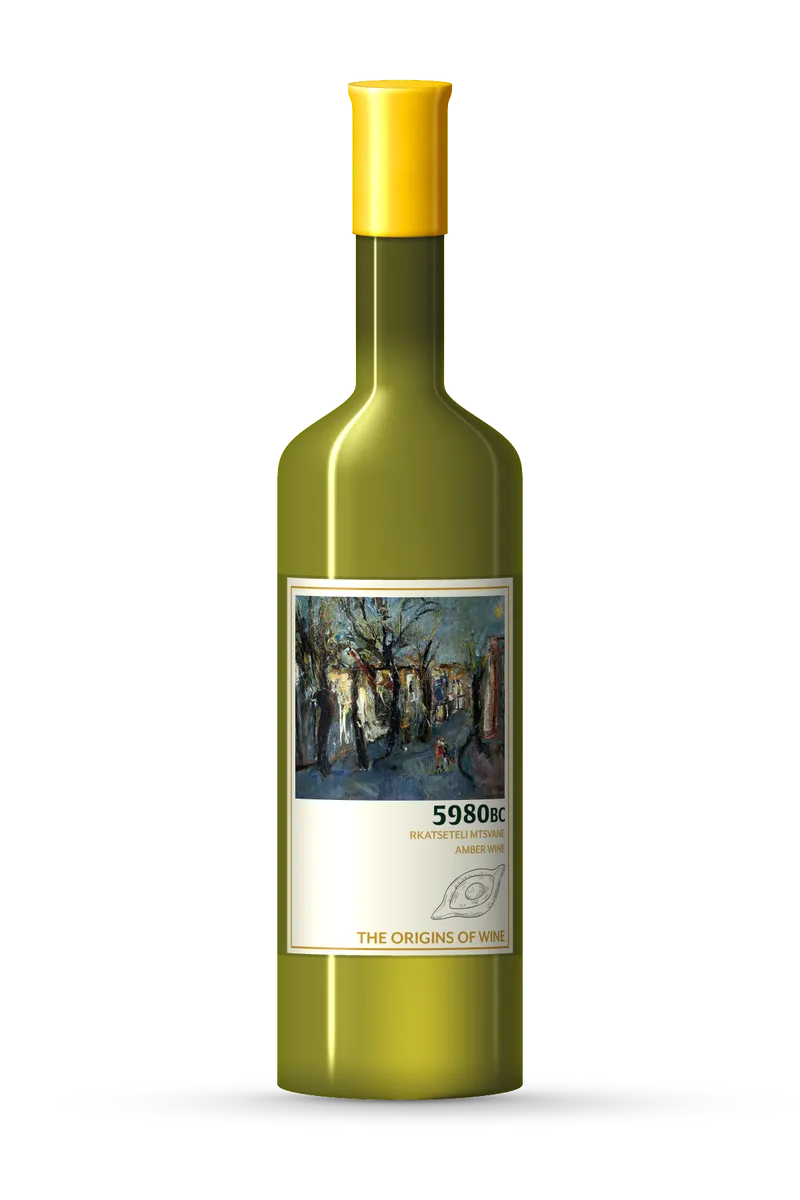
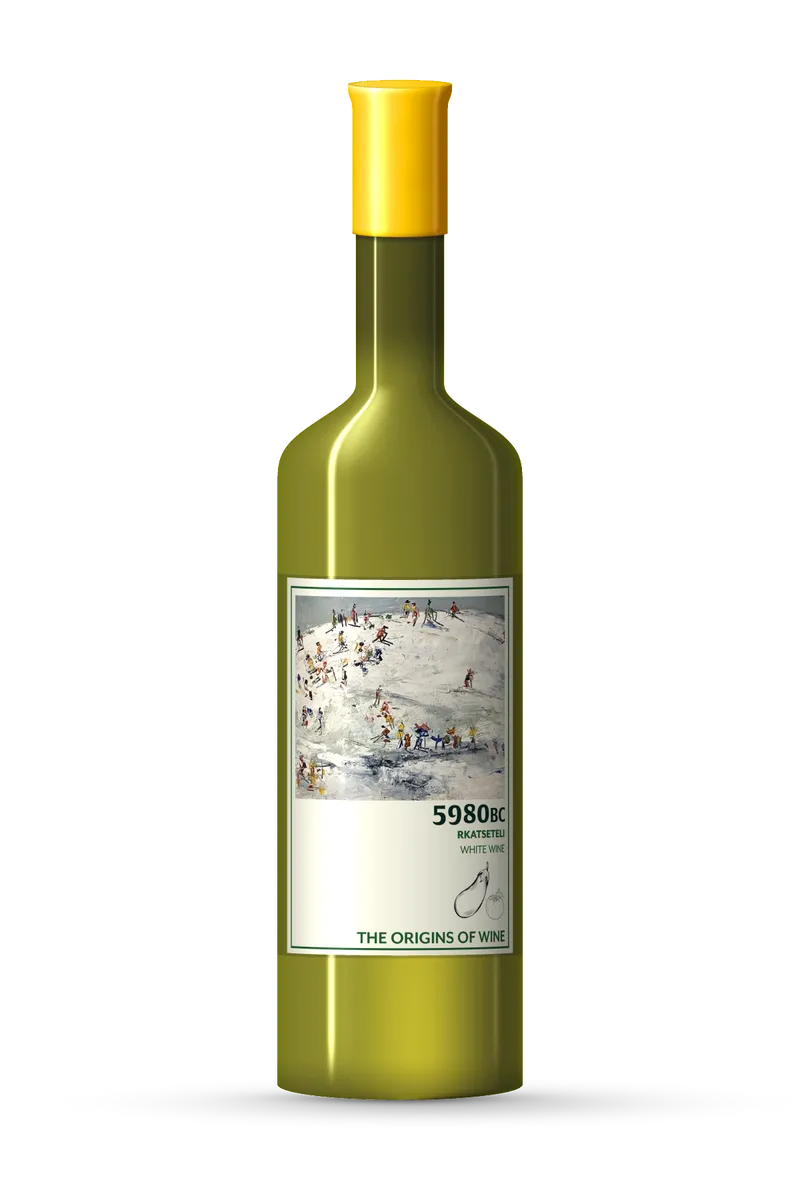
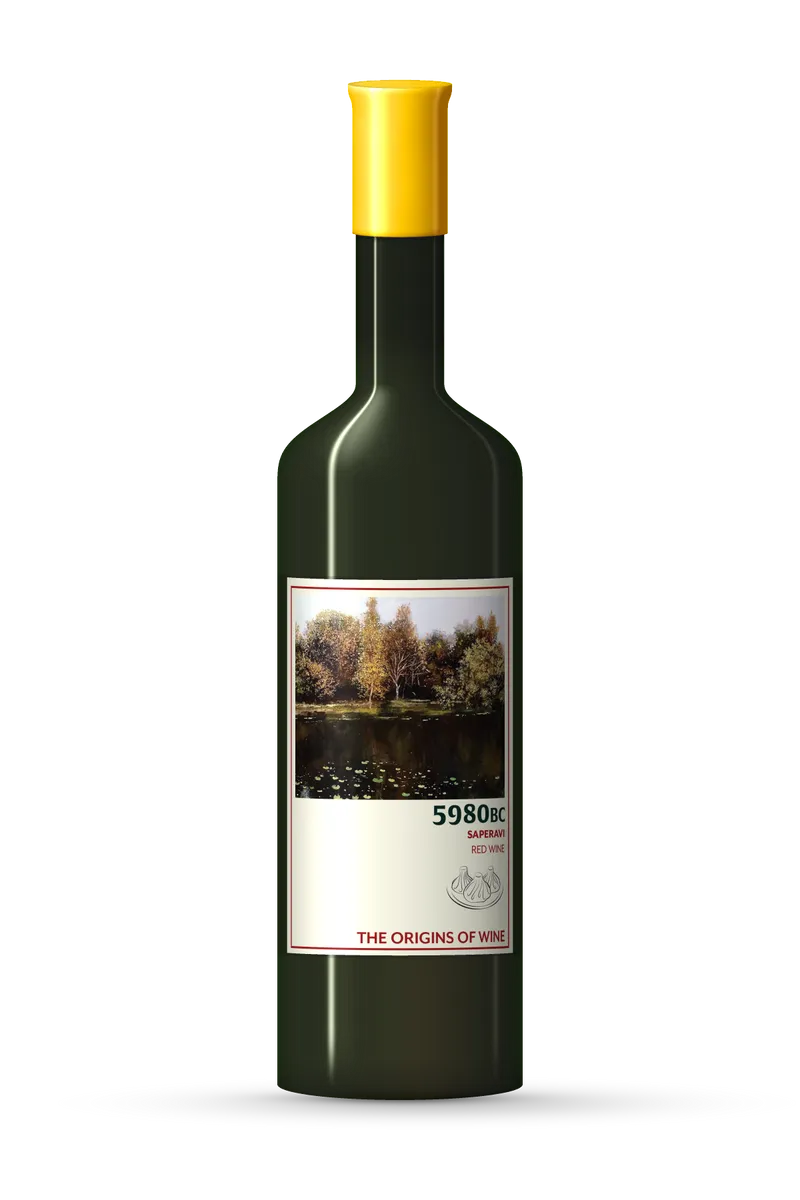
A supra is many dishes at once, so it suits wines that work with a lot of food. Our Rkatsiteli Mtsvane is ideal with cheese, khachapuri included. Our Rkatsiteli is ideal with vegetables and nuts, such as pkhali and badrijani. Our Saperavi is ideal with meat and with khinkali, Georgia's dumplings. More on what turns up on Georgian tables in What wine do Georgians drink?
Sources
- Georgian supra. Georgian National Tourism Administration.
- Supra (feast). Wikipedia: the tamada, the order of speaking, the kantsi, the national heritage listing.
- Den georgiske supra: et ritualiseret drikkefællesskab. Rikke Elisabeth Frederiksen, Kontur 14, Aarhus University, 2006 (in Danish): the tamada, the alaverdi and the merikipe.
- გაუმარჯოს (gaumarjos). Wiktionary.