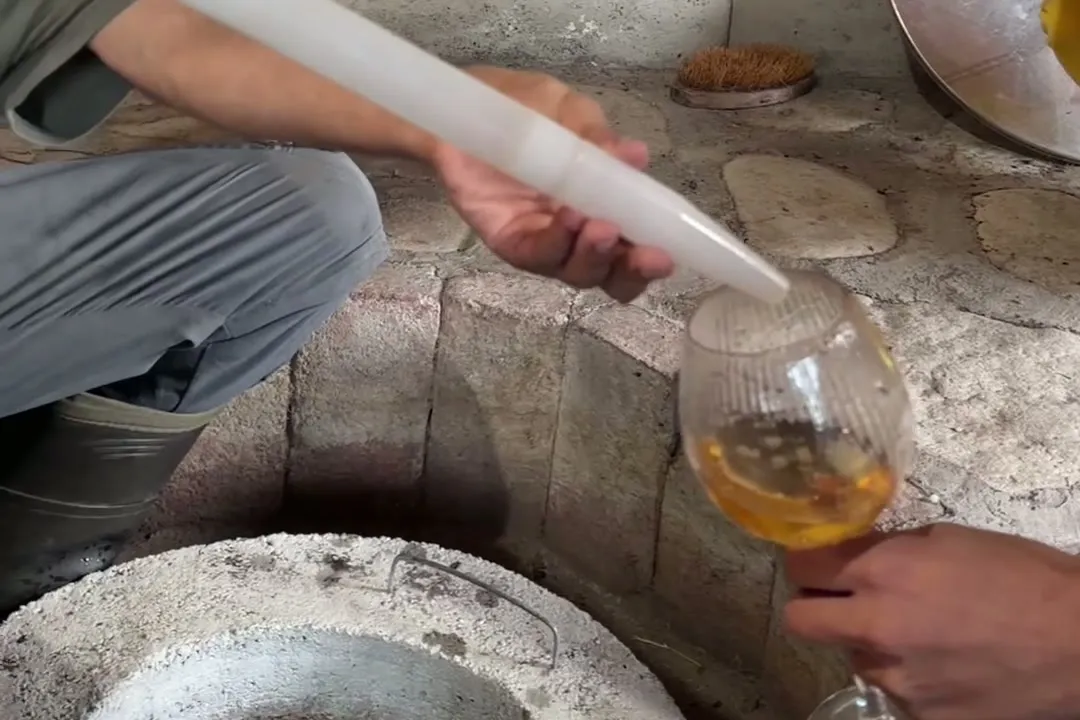
In Georgia we found that a lot of people drink their own wine. Not a favourite label from the shop, but wine from the family's vines, made at home, often a young amber wine made the old way in qvevri (say KVEV-ree), the clay jars buried in the cellar floor.
It explains a lot about Georgian wine.
Wine made at home
Home winemaking isn't a hobby in Georgia so much as part of the year. UNESCO, which listed the qvevri method as Intangible Cultural Heritage in 2013, says most farmers and city dwellers make wine this way, and that the knowledge passes between families, neighbours, friends and relatives, with children learning by watching. The wine cellar, the marani, is still thought of as the holiest place in a family home. Much of Georgia's wine is made by thousands of small farmers, mostly in the traditional way.
Rtveli, the harvest
It starts with rtveli, the grape harvest. In the east of the country, Kakheti included, it usually falls in late September; in the west, in mid-October. It lasts several days. The picking starts early in the morning, and each day ends with a feast and songs about the vintage. Then the grapes are pressed and go into the qvevri with their skins. In the capital the end of the harvest has its own festival, Tbilisoba.
Young wine
The new wine doesn't wait long. It ferments in the first weeks after the harvest and then stays sealed in the qvevri with its skins for about six months, which puts last autumn's wine on the table by spring. A family's wine is drunk young, through the year, until the next harvest refills the jars. The whites are usually made the Kakheti way, fermented with their skins, so a lot of what is poured at home is amber. How a qvevri works has the detail, and What is orange wine? explains the style.
At the table
Home wine is supra wine. At a Georgian feast the toasts set the pace and the glasses never stay empty for long, which is easier when the wine came from your own cellar. Georgian supra has the rules. The food decides the rest: khachapuri and the cheeses, walnut dishes, grilled meat, khinkali.
And the bottles in British shops?
Georgian wine in a British shop usually comes from a commercial winery, and the wineries make it both ways: in stainless steel in the European style, and in qvevri. Both can be very good. But the steel-made whites are a different thing from the amber wine most families drink at home.
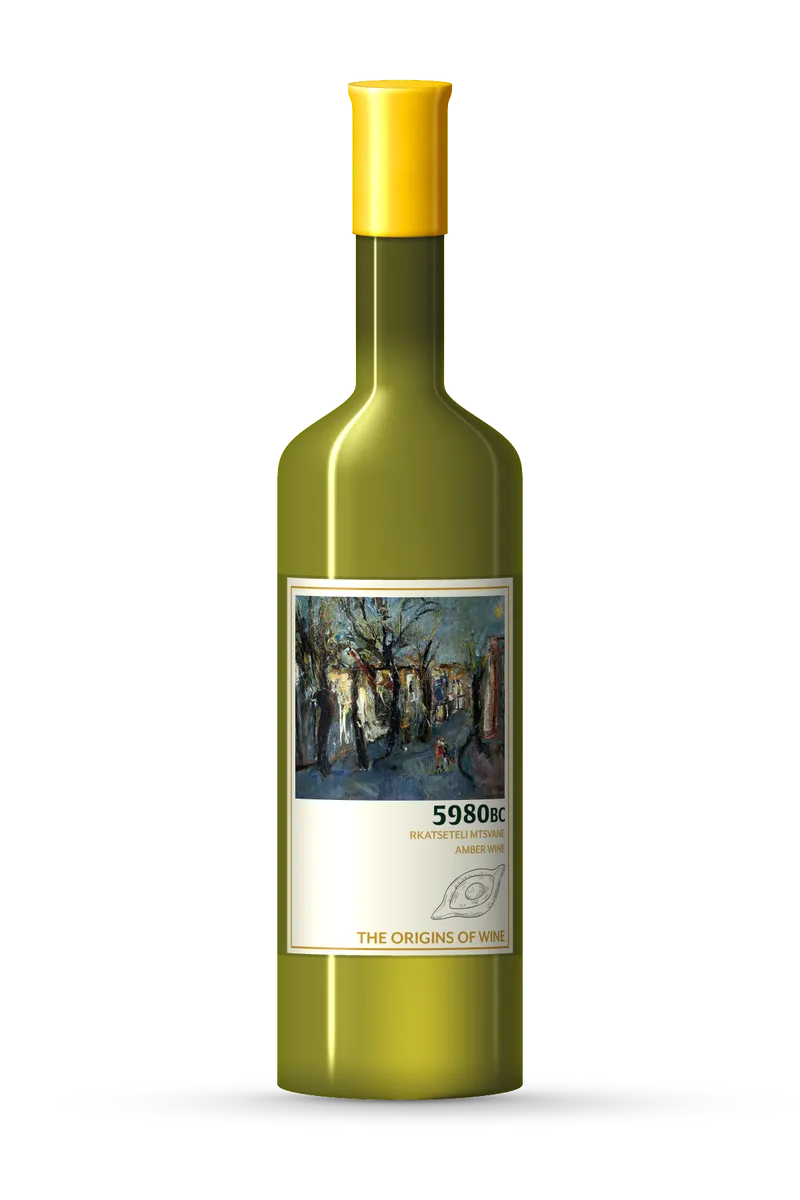
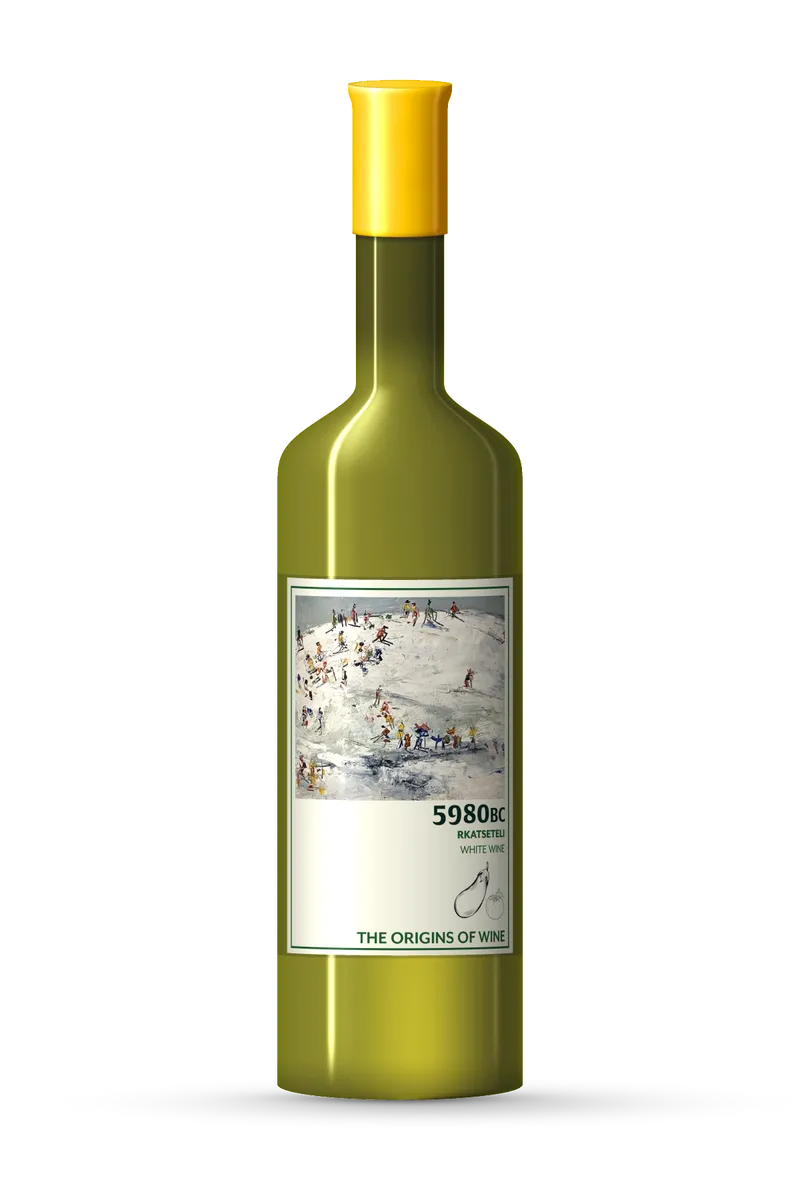
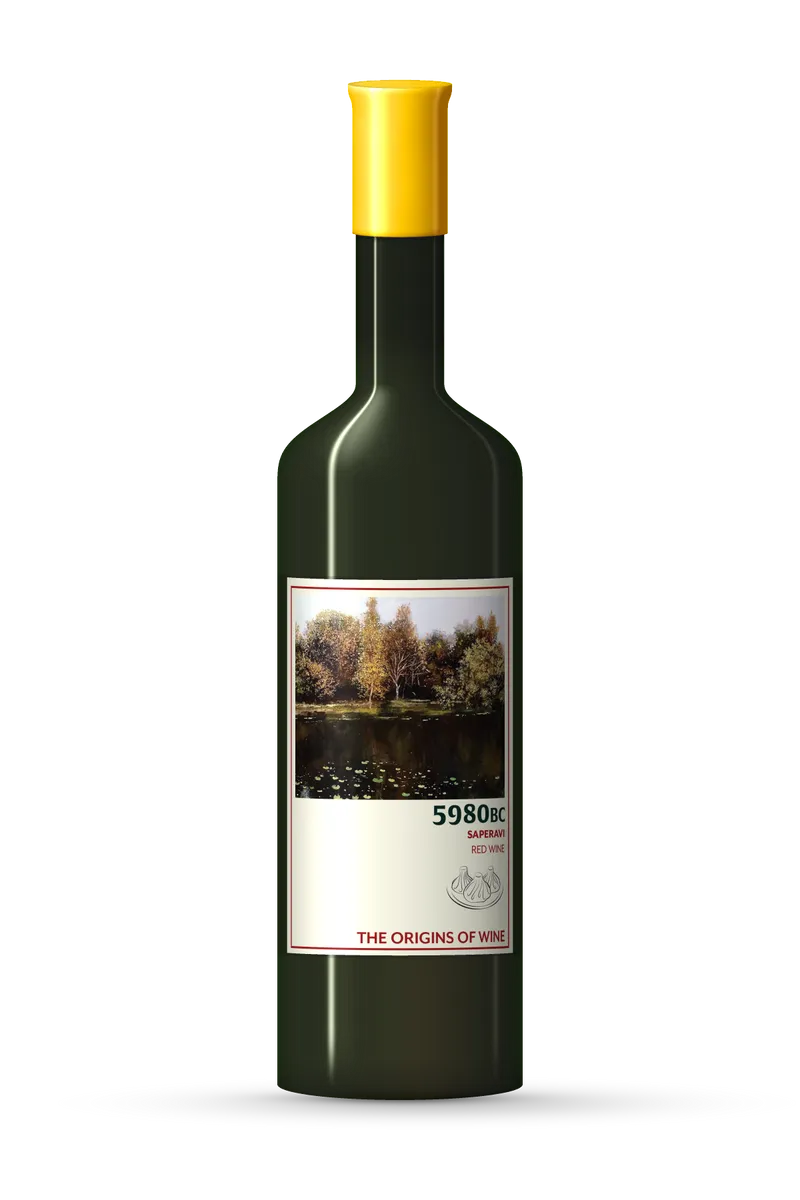
The wines we bring are closer to the family kind. They come from a family's vineyards in Kakheti, and they are made in qvevri in the family's marani, which is where we watched them being made in the autumn of 2026. The difference is that ours are bottled, labelled and checked for export: two ambers, Rkatsiteli Mtsvane and Rkatsiteli, and a red, Saperavi.
Sources
- Ancient Georgian traditional Qvevri wine-making method. UNESCO Intangible Cultural Heritage, inscribed 2013.
- Rtveli. Wikipedia: the harvest's timing and days.
- Georgian wine. Wikipedia: thousands of small farmers, mostly traditional methods.
- Kakheti (in Georgian) and Rkatsiteli. Georgian Wine Agency: about six months in qvevri; made in steel and in qvevri.