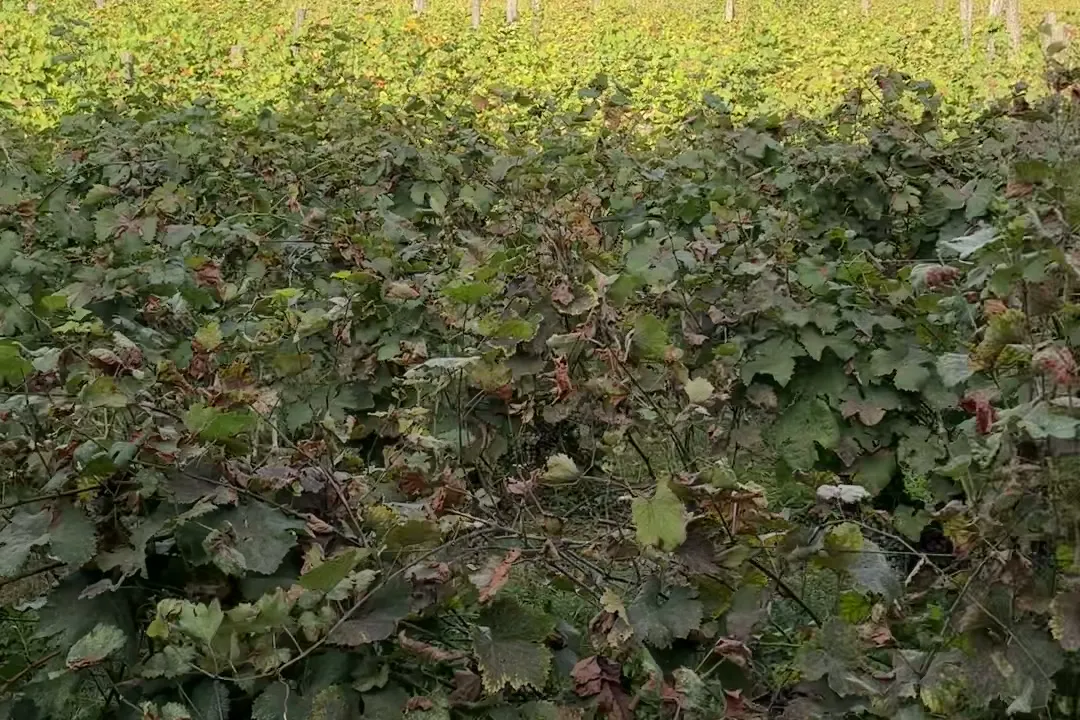
Rkatsiteli (say r-kats-i-TEL-ee) is Georgia's leading white grape. The Georgian Wine Agency puts it at 43% of all the country's vineyards, about 20,000 hectares. It is native to Kakheti, in the east, and grown all over the region and in Kartli too. Georgia's tourist board calls it the babua, the grandfather of the local white grapes. The name means "red stem", for the red tinge of its stalks.
Steel or clay
Rkatsiteli is made two ways, in stainless steel in the European style and in qvevri, the Georgian clay jar (also spelt kvevri). The agency describes the difference. From steel it has light floral aromas with citrus, quince and apple. From qvevri it is usually more powerful and moderately tannic, with crisp acidity and flavours of honey, dried orange peel, spice, apricot and other stone fruit.
The skins make the difference. In a qvevri the grapes ferment with their skins, as a red would, and that is what makes an amber wine, with more colour, more texture and some tannin, the slightly drying grip you get from red wine or strong tea. What is orange wine? explains the style.
Rkatsiteli and Mtsvane
Rkatsiteli is mostly made dry, and often blended with a smaller share of Mtsvane, another white grape of Kakheti; the agency gives 12 to 20% as usual. Mtsvane means "green" in Georgian, and it brings freshness. The blend is the basis of several of Georgia's protected wines, the ones named after their village the way Champagne is: Gurjaani, Tsinandali and Vazisubani among them.
Kardenakhi
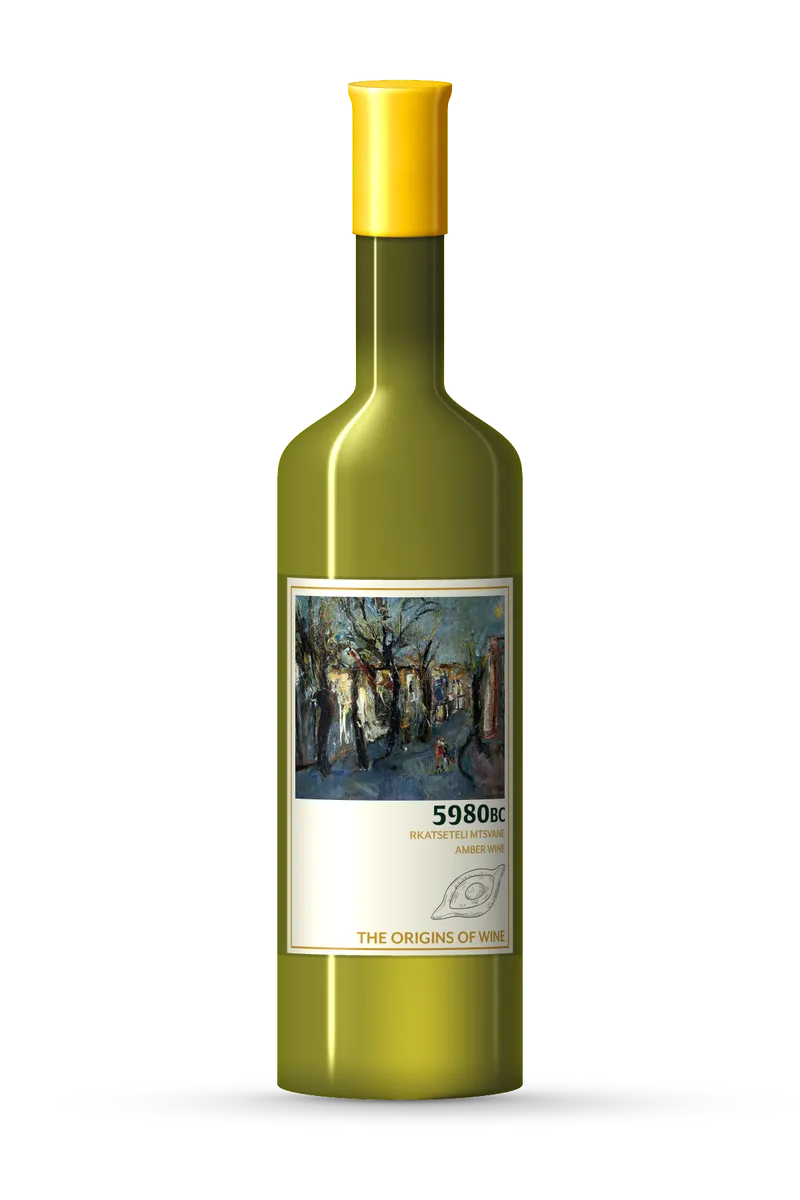
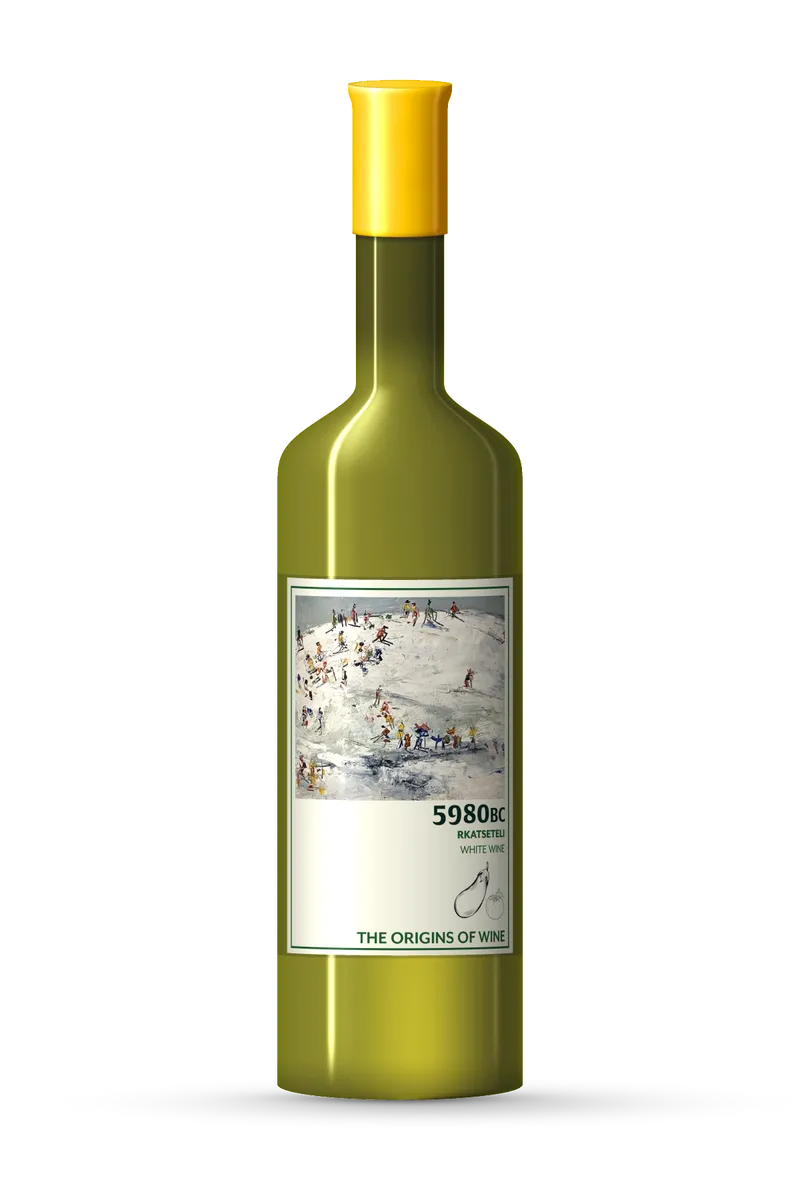
Kardenakhi, in Kakheti, is where our single-grape Rkatsiteli comes from. The village also gives its name to a protected fortified wine in which Rkatsiteli is a core grape. Ours is not that wine. It is a dry amber.
Our two Rkatsiteli wines
Both are from 2024, and both spent their months in qvevri with their skins.
Rkatsiteli is the one grape on its own, from Kardenakhi. Without Mtsvane it is fuller and firmer, and best with food. It is ideal with vegetables and nuts: pkhali, the Georgian vegetable and walnut pâtés, or badrijani, aubergine rolled round a spiced walnut paste.
Rkatsiteli Mtsvane puts the two grapes together, from Bakurtsikhe. It is ideal with cheese, from khachapuri to a cheeseboard, and we wrote about that in Georgian cheese.
Quick answers
Is Rkatsiteli a white wine or an amber wine?
Either. It is a white grape: pressed and fermented as juice alone, it makes a white wine; fermented with its skins, it makes an amber wine. Both of ours are amber.
What should I eat with Rkatsiteli?
An amber Rkatsiteli has the grip to stand up to food that would swamp a light white. Walnut-heavy Georgian dishes are the obvious start, but a plate of roast vegetables works too.
Sources
- Rkatsiteli. Georgian Wine Agency.
- Rkatsiteli. Georgian National Tourism Administration.