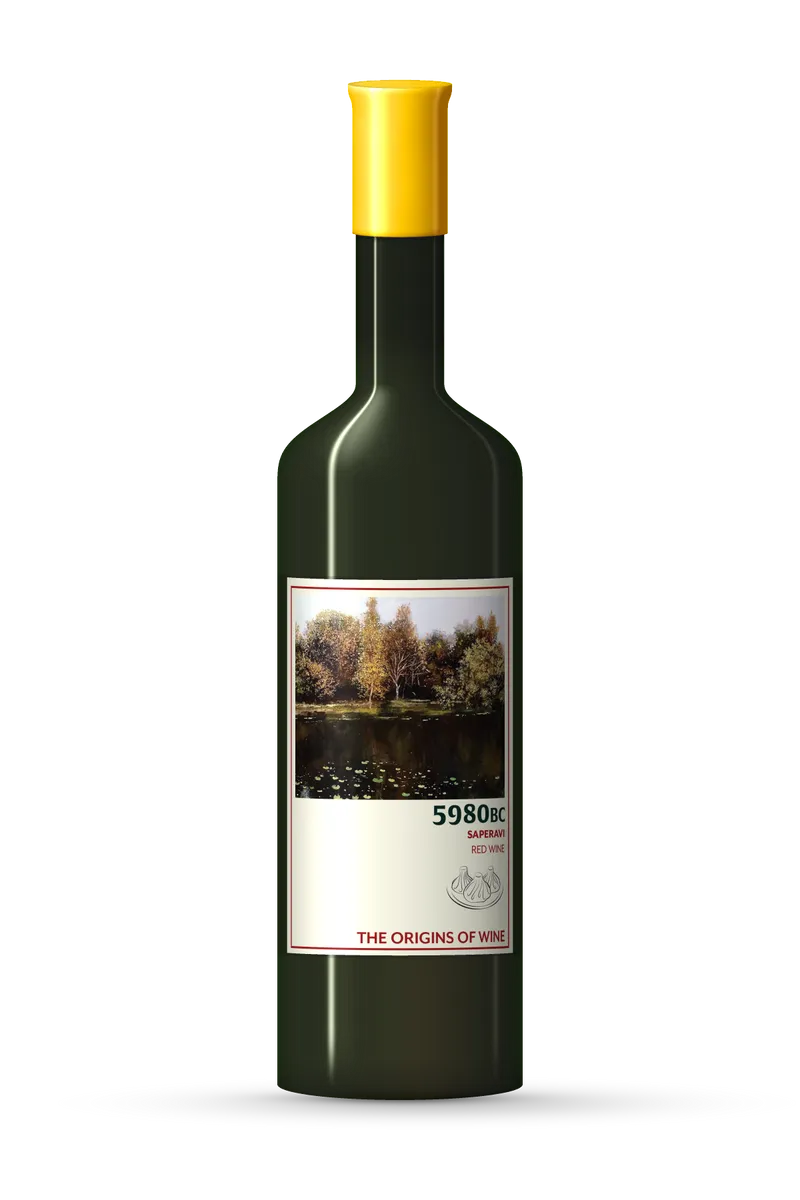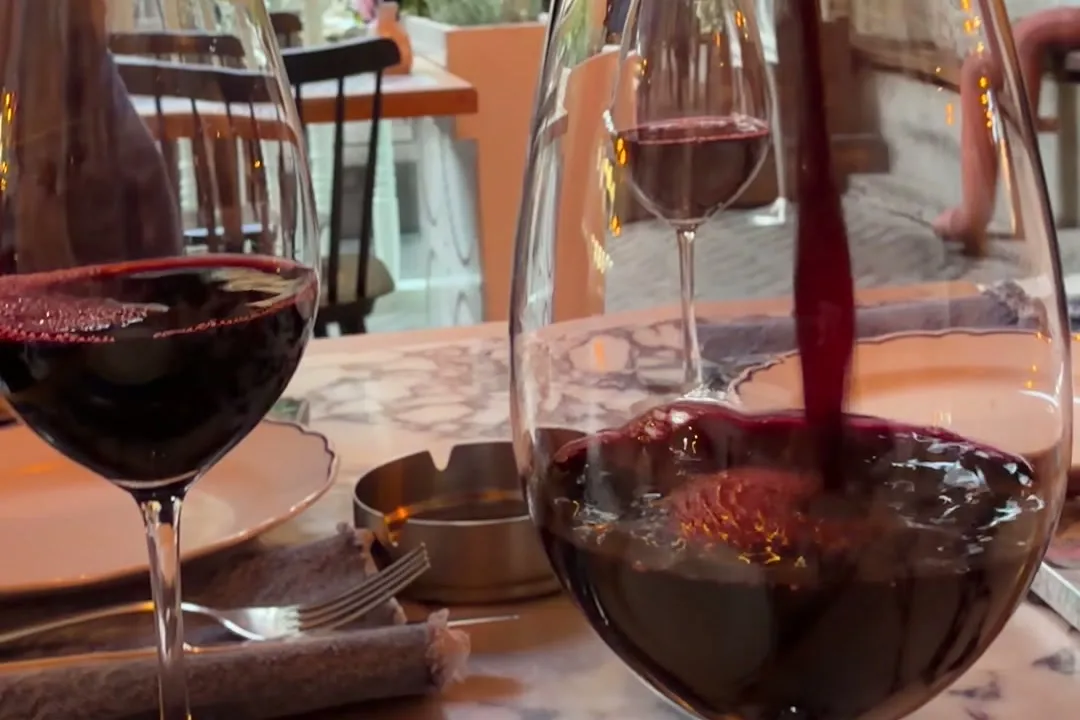
Saperavi (say sa-pe-RAH-vee) is Georgia's red grape. It makes dark, full-bodied wines, high in acidity and tannin, the slightly drying grip you get from red wine or strong tea. Halliday's Wine Companion lists black fruit, liquorice, chocolate, earth, tobacco, spice and pepper among its flavours. The Georgian Wine Agency calls it the most widespread red grape in the country, grown all over Kakheti, the main wine region in the east, and in almost every other part of Georgia too.
Red right through
Most red grapes have dark skins and clear juice. A red wine gets its colour by leaving the juice with the skins, which is why a red grape can make a white wine. Saperavi can't. It has red flesh as well as red skin (the trade calls grapes like this teinturiers), so the juice is coloured from the moment it is pressed. The name is usually translated from Georgian as "dye" or "paint".
Its acidity is part of why Saperavi ages well.
Where it grows
Kakheti is its heartland. The Georgian Wine Agency notes that some scientists think the grape began in western Georgia and spread from there to Kartli and Kakheti. Today it is grown abroad as well, in Moldova, Ukraine and Bulgaria and, more recently, in Australia and the United States, including New York's Finger Lakes.
It ripens in the second half of September but is not picked until the second half of October.
Dry or semi-sweet: check the label
Georgia protects its best-known wines by the name of the place they come from, the way Champagne is protected. Several of those names are Saperavi. Mukuzani is a dry red, and Napareuli and Kvareli are names to look for too. Kindzmarauli and Akhasheni, though, are naturally semi-sweet: the fermentation stops before all the sugar is used. The grape also makes sweet and rosé wines. So a Georgian Saperavi is not always dry.
Our Saperavi
Our Saperavi is dry, from the 2019 vintage, from vineyards at Kardenakhi in Kakheti, at 14%. It was made in qvevri, the egg-shaped clay jars Georgians bury in the ground (also spelt kvevri), fermented with the grapes' own yeasts. What we mean by natural has the rest of how it was made, and there is more on the region in Kakheti.
A red this firm wants food with some weight. Ours is ideal with meat, grilled or roasted, or with khinkali, Georgia's dumplings.
Quick answers
Is Saperavi a good first Georgian wine?
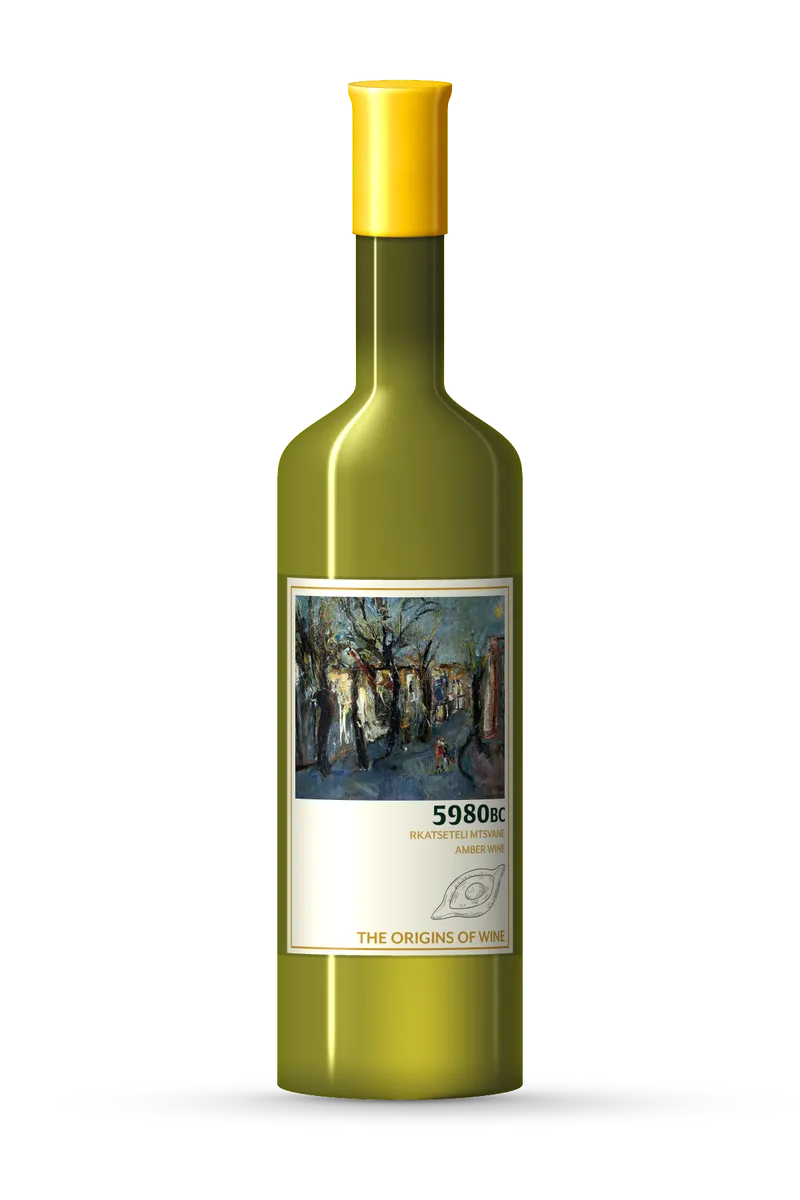
We think so. If you like a full red, it is the easiest way in. If you already like a red's grip, try one of our ambers next, Rkatsiteli Mtsvane or Rkatsiteli.
Is Saperavi a natural wine?
Saperavi is a grape, not a way of making wine, so it depends on the bottle. Ours is; here is what that means.
Sources
- Saperavi. Georgian Wine Agency.
- Saperavi. Halliday Wine Companion, 6 June 2023.
- Saperavi. Wikipedia, citing J. Robinson (ed.), The Oxford Companion to Wine: the teinturier, the name, where else it is grown.
- Georgian wine. Wikipedia: Mukuzani dry; Kindzmarauli and Akhasheni naturally semi-sweet.