Natural wine is wine made with as little done to it as possible. That is the short answer, and in Britain it is also the only official one, because the term has no legal definition here. Vintage Roots, the organic wine merchant, says that outside a few places it remains largely unregulated.
So when a bottle says natural, you are taking the maker's word for it. It helps to know what the word usually covers.
What it usually means
Most people who use the word mean wine from organically or biodynamically farmed grapes, fermented with the yeasts that come in on the grapes rather than yeast from a packet, and with little or nothing added in the cellar. After that the details vary from one winemaker to the next.
The French rules
The nearest thing to a rulebook is French. In 2019 a group of growers set up a body to defend natural wine, and its label, "Vin Méthode Nature", has since been approved by the French authorities. It is a private label, not an appellation, but its rules are a useful yardstick:
- organic grapes, picked by hand;
- no added yeast;
- nothing else added, apart from a little sulphite, and none of that before or during fermentation;
- no filtering and no heavy processing;
- no more than 30 mg of sulphites per litre.
Sulphites
Sulphites are a preservative used in most wine, and in dried fruit. They stop wine going off and keep it fresh in the bottle, and yeast makes a little during fermentation anyway, so almost no wine is entirely free of them. Conventional wine can have several times the French natural limit. Natural winemakers use as little as they can, or none.
Without the excuses
Natural wine has a reputation for faults: wines that are cloudy, fizzy when they shouldn't be, or smell of the farmyard, with drinkers told that's the point. We don't accept that. The winery we work with in Georgia has a line for it: natural wine without the excuses. Natural, and still a wine you'd want a second glass of.
What natural means for our wines
Our wines come from Kakheti, in the east of Georgia, and this is what we can say about every one of them.
- The grapes are picked by hand, from vines farmed without synthetic pesticides, herbicides or chemical fertilisers. Part of the vineyard, 4.84 hectares at Bakurtsikhe, holds EU organic certification, and the rest is farmed the same way.
- There is no added yeast; the grapes ferment with their own yeasts.
- The wines are made in qvevri (say KVEV-ree; also spelt kvevri), the clay jars Georgians bury in the ground. See how a qvevri works.
- They aren't filtered. In the qvevri the skins and the lees, the spent yeast, settle and clear the wine on their own.
- Sulphites are kept to a minimum.
- All our wines are vegan.
We have walked those vines, and watched the wine being made in the marani, the family's wine cellar, on our visit in the autumn of 2026. You can meet Niko, our winemaker partner, on Our natural wines.
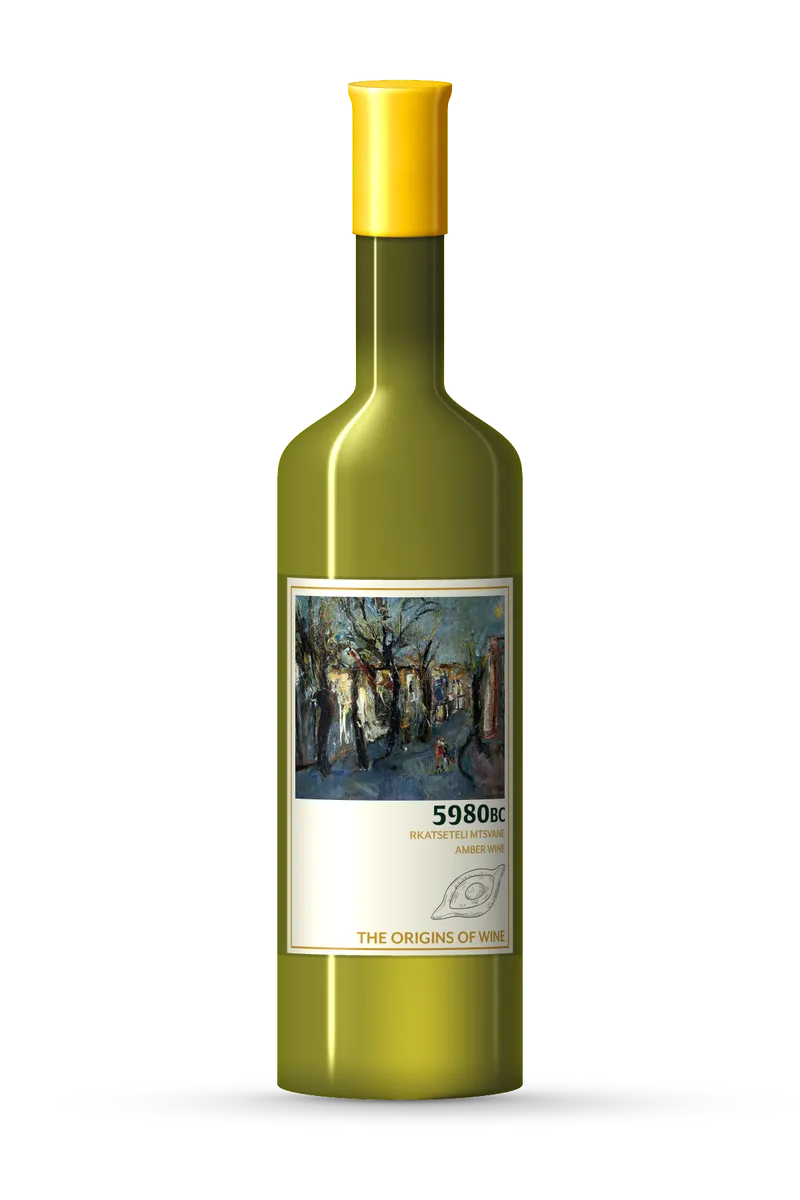
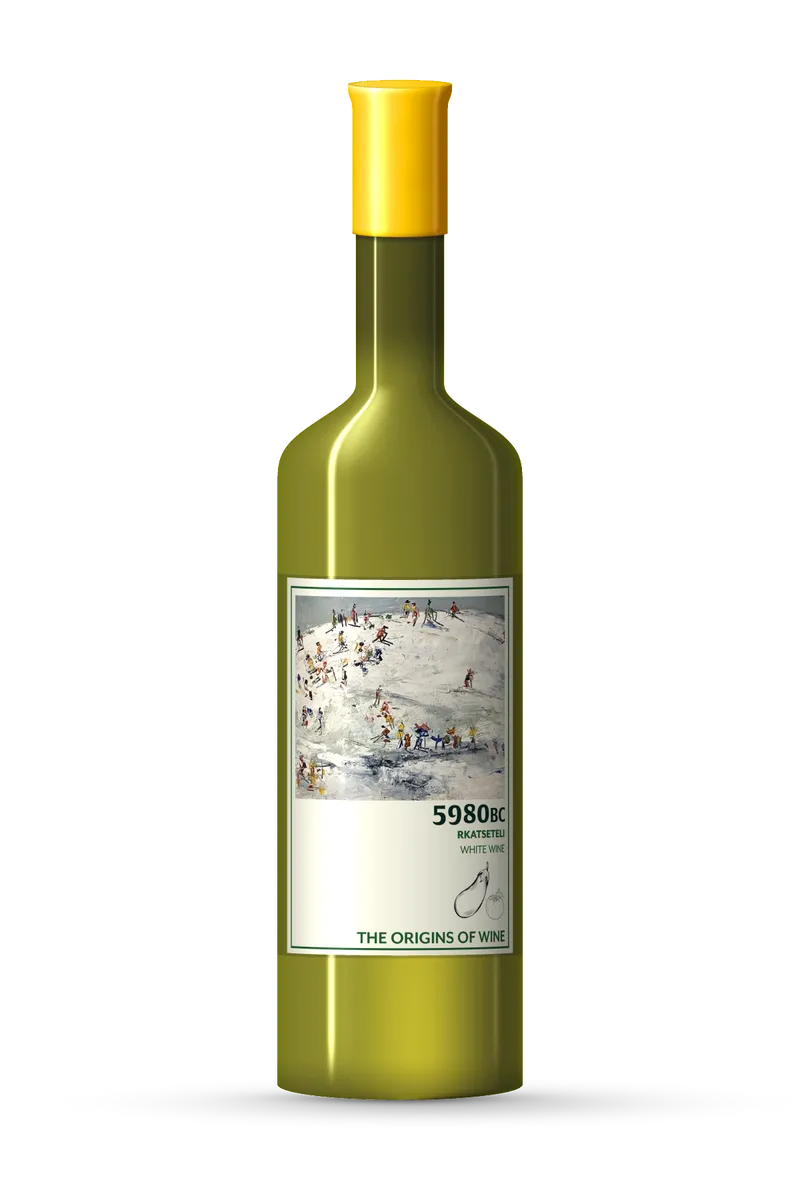
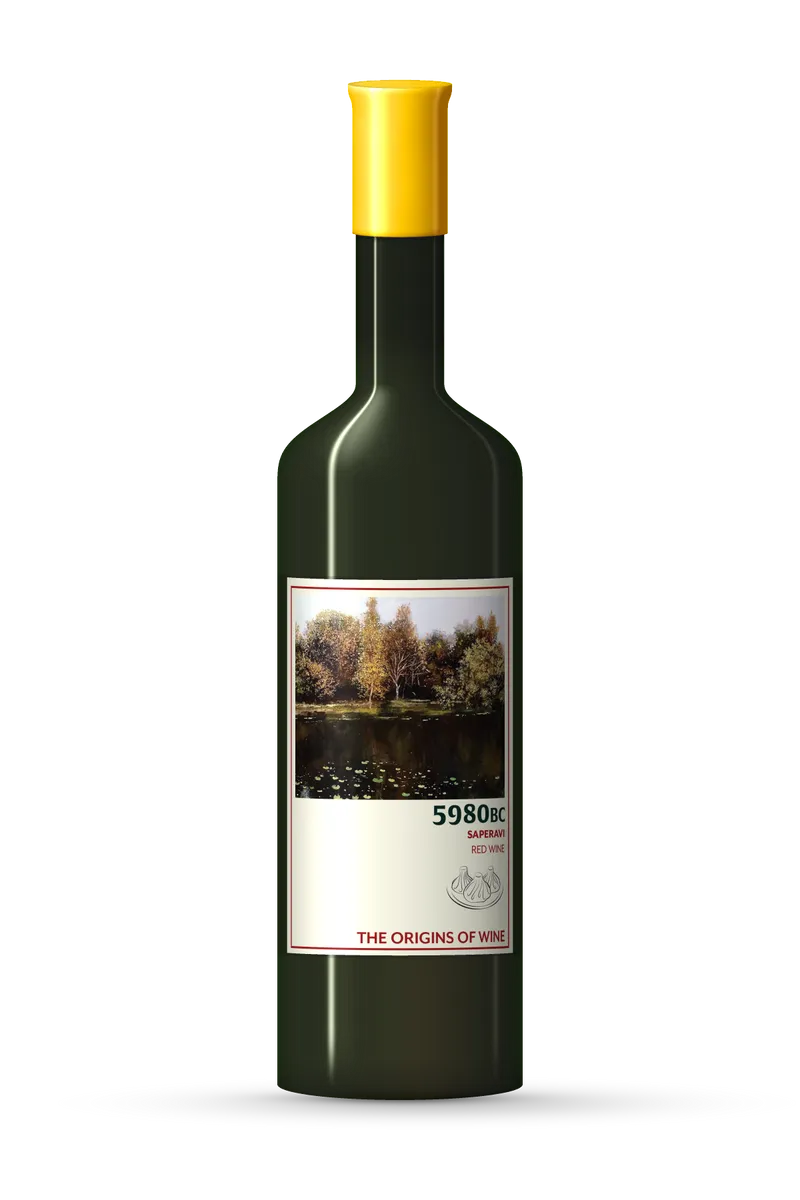
New to natural wine? Start with our Saperavi, a full, dry red. If you already like a red's grip, try the ambers, Rkatsiteli Mtsvane and Rkatsiteli: white wine made like a red, fermented with their skins (orange wine, explained).
Quick answers
Does natural wine have sulphites?
Almost always a little, because yeast makes some during fermentation. Many natural winemakers add a small dose at bottling; some add none.
Why is some natural wine cloudy?
Because it hasn't been filtered or fined, so some of the yeast and grape solids stay in the bottle. A little haze is harmless. Ours settle in the qvevri before bottling.
Natural, organic or biodynamic?
Organic is a legal standard for farming, checked by certification bodies. Biodynamic is a stricter form of organic farming that treats the vineyard as one living system and follows a farming calendar. Natural is about the cellar as well as the vineyard, and has no legal standard.
Sources
- What is natural wine? Vintage Roots, 2 October 2026.
- Vin méthode nature, a private label for natural wine. Per Karlsson, BKWine Magazine, 3 October 2020.