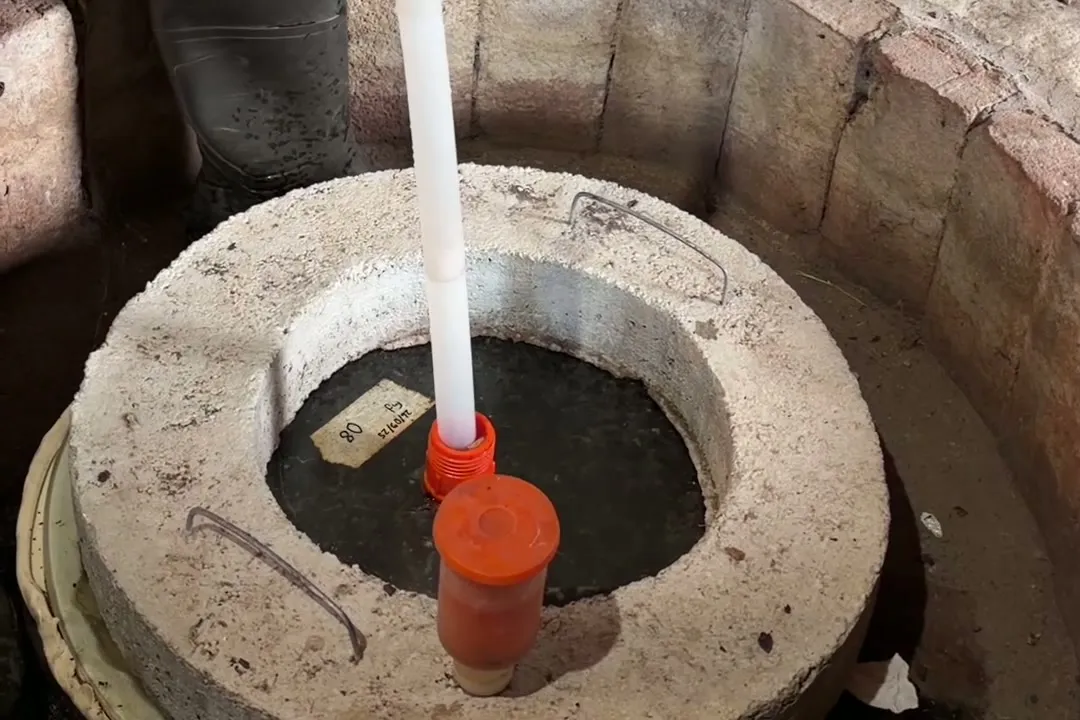
A qvevri (say KVEV-ree) is a big clay jar, shaped like an egg, in which Georgian wine is made, aged and kept. It is buried in the ground up to its neck. In a marani, the Georgian wine cellar, you don't see the jars at all, only their mouths in the floor, each closed with a lid. The photo above is one of them, sealed, in the marani we visited in Kakheti in the autumn of 2026.
Georgians have made wine in clay since the Neolithic, the New Stone Age, when people first farmed: the oldest grape wine yet found was in jars from villages south of Tbilisi. Where was wine invented? goes through the evidence.
The jar
Qvevri are made by hand. The International Wine Challenge, talking to Georgian makers, gives sizes from about 100 to 3,500 litres, with most winemakers preferring 1,000 to 1,500. The bigger ones are large enough for a person to climb inside to clean.
The egg shape has a job. According to the same IWC report it helps the fermentation along, and the narrow point at the bottom collects the solids as the wine settles. Burying the jar keeps the wine cool. Inside, the clay is lined with beeswax, which one winemaker told the IWC is "absolutely neutral", although a freshly lined qvevri can give a hint of honey at first.
The name may come from kveuri, "that which is buried".
Making wine in one
The grapes are pressed, and the juice, skins, stalks and pips all go into the qvevri together. The juice ferments in the first weeks. Then the qvevri is sealed, and the wine stays in it with the skins and the lees, the spent yeast, for about six months, which is when the Georgian Wine Agency says the qvevri does most of its work. After that the wine is drawn off the solids and is ready to drink.
With white grapes, that gives you amber wine: white wine made like a red, fermented with their skins, which give it colour, texture and some tannin, the slightly drying grip you get from red wine or strong tea. The long months with the skins are a Kakheti tradition; today winemakers leave them anywhere from about three weeks to eight months. More in What is orange wine?
Reds are made in qvevri too. Our Saperavi is one, from Georgia's own red grape.
Still in everyday use
In 2013 UNESCO added the ancient Georgian qvevri wine-making method to its Representative List of the Intangible Cultural Heritage of Humanity. The knowledge is passed down by families, neighbours and friends, with children learning by watching their elders. UNESCO says most farmers and city dwellers make wine this way, and that the wine cellar is still thought of as the holiest place in a family home. We wrote about that home wine in What wine do Georgians drink?
Our wines and the qvevri
Each vintage our winemaker, Niko, decides batch by batch whether a wine goes into qvevri or into stainless steel, and the wines we chose are made in qvevri. The clay does the clarifying: the wine isn't filtered, because in the qvevri the skins and the lees settle and clear it on their own.
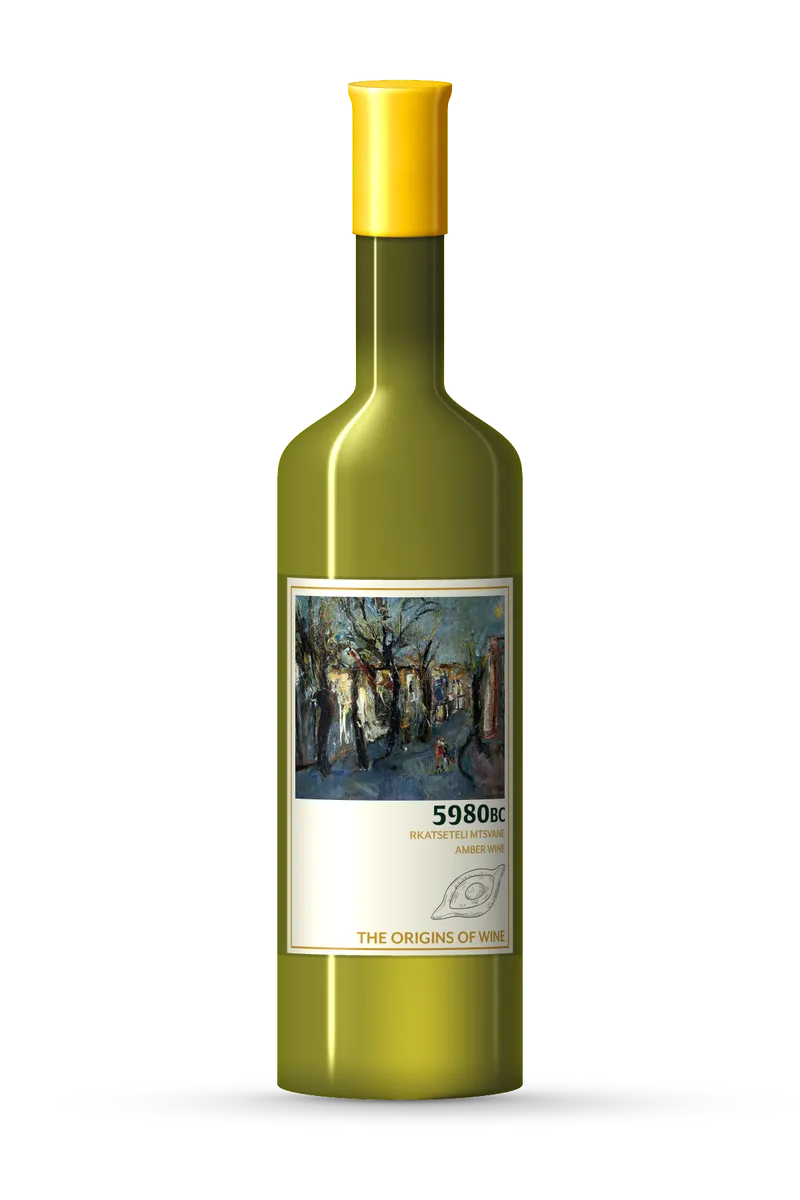
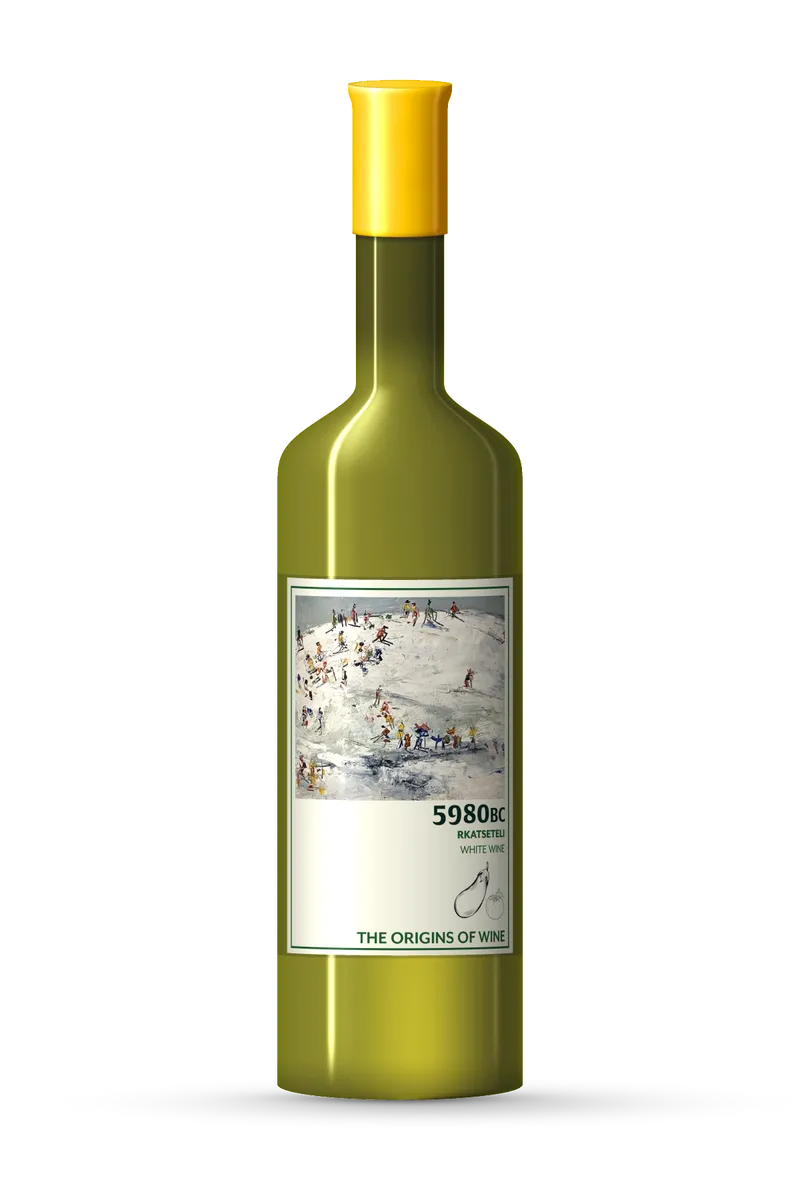
That gives us two ambers, Rkatsiteli Mtsvane and Rkatsiteli, and a red, Saperavi. You can meet Niko on Our natural wines.
Sources
- Ancient Georgian traditional Qvevri wine-making method. UNESCO Intangible Cultural Heritage, inscribed 2013.
- Kakheti (in Georgian). Georgian Wine Agency: the qvevri's role in fermentation and the first six months.
- What lies beneath qvevri wines? Chris Boiling, International Wine Challenge, 3 November 2020.